
Electric Storage Heating · Herford
Electric heat, efficiently controlled.
An old night storage heater still heats reliably, but rarely economically. We install modern electric storage heating, modernise existing systems and take care of the professional disposal of decommissioned units.
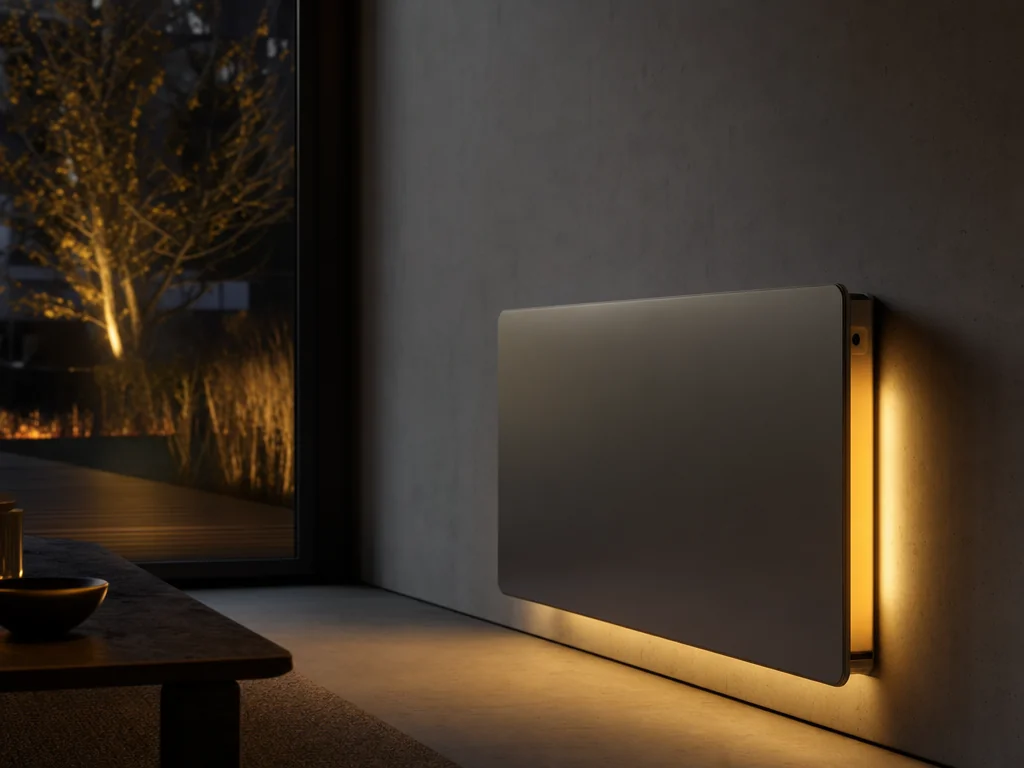
- Is it worth modernising an old night storage heater?
- Often yes, because modern units work more efficiently and can be controlled more precisely. We check your existing units and give you an honest assessment of whether modernisation or replacement makes more sense.
- Can old units contain hazardous substances?
- In older models this is possible, mainly as insulation material. We check this before removal and dispose of it properly.
- Can storage heating be combined with photovoltaics?
- Yes. With the right controller, you charge preferentially with your own solar power instead of from the grid.
- What does a replacement roughly cost?
- Depending on the unit and effort, usually in the mid three-figure to low four-figure range, this is only a rough market guide.
- Are there alternatives to classic storage heating?
- Yes, for example infrared or direct electric heaters. Whether that suits your building is something we clarify in a consultation.
Scope of services
What we handle for your storage heating
From a single night storage heater to a complete heating system: we install, modernise and advise on the right controls.
- New installation Professional connection of modern electric storage heating for new builds, extensions or individual rooms.
- Modernisation of existing systems Upgrading older night storage heaters to current control and safety technology.
- Professional replacement Inspecting, removing and properly disposing of decommissioned units, including where hazardous substances may be present.
- Optimising charge control Digital controllers that factor in outdoor temperature and consumption, instead of a rigid time switch.
- Connection to a cheaper tariff Wiring and registration for your energy supplier's off-peak tariff.
- Coupling with photovoltaics Matching charging to the solar yield of your PV system or battery storage.
- Alternative advice Assessment of whether infrared or direct heating is the better solution for your building.
- Safety check of the system Checking that supply cable, protection and connection are up to current standard.
Process
From site survey to a warm home
Enquiry
You tell us the condition and age of your storage heating, we arrange an on-site appointment.
Site survey
We check the units, year of manufacture and supply cable, and whether modernisation or replacement makes more sense.
Implementation
Removal and proper disposal of old units, installation and control setup of the new system.
Commissioning
Function test, briefing on the controls and handover of the ready-to-use heating.
Costs
What modernisation or replacement realistically costs
A rough market guide, not a fixed quote
Replacing a single night storage heater with a modern unit typically falls in the mid three-figure to low four-figure range in the region, depending on output, connection situation and disposal effort. With several units in the house, this adds up accordingly. Modernising just the controls is usually considerably cheaper than a full replacement.
You will receive a binding quote only after an on-site survey, once we know the number, condition and output of your units.
All figures are general market guidance without guarantee, not a binding offer from Heinz Eickmeyer GmbH.
Why it pays to look at the controls
Many old night storage heaters still charge on a rigid time switch, regardless of how cold it actually is outside. Modern charge controllers factor in the outdoor temperature and adjust charging accordingly. That alone can noticeably reduce consumption, without any new unit at all.
If you already have, or are planning, a photovoltaic system with storage, you can align your storage heating with it and heat preferentially with your own solar power. If a larger electrical installation or renovation is coming up anyway, heating modernisation can usually be combined well with other work at the meter cabinet. If you want to network the controls further, you can also integrate the heating into an existing Smart Home and control room temperatures centrally.
Last updated: July 2026 · Technical responsibility: Markus Bierbaum
Brand partners
Technology from established manufacturers
When selecting new units and controllers, we rely on proven manufacturers from the heating sector.
 Berker
Merten
Eaton
Berker
Merten
Eaton

 Rademacher
LEDVANCE
Stiebel Eltron
Rademacher
LEDVANCE
Stiebel Eltron
In Herford and the region
Whether an older building in Herford or a terraced house nearby: we modernise and install storage heating wherever you live.
Frequently asked questions
Storage heating: briefly answered
Is it worth modernising old night storage heaters?
Often yes. Older units tend to work less efficiently and are harder to control precisely than modern electric heaters. We check the condition and year of manufacture on site and give you an honest assessment of whether modernisation is enough or replacement makes more sense.
Can I combine my storage heating with photovoltaics?
Yes. With the right controller, you charge the heating preferentially whenever your PV system or battery storage is supplying electricity. That increases your self-consumption and lowers the electricity costs from the grid.
Do old storage heaters contain hazardous substances?
In older models this is possible, particularly as insulation material inside the unit. We check this before removal and take care of professional dismantling and disposal in line with current regulations.
What does replacing a night storage heater roughly cost?
Depending on output, connection and disposal effort, replacement per unit in the region often falls in the mid three-figure to low four-figure range. This is a rough market guide, you will receive a fixed quote after an on-site survey.
Are there more efficient alternatives to classic storage heating?
Yes, for example infrared or direct electric heaters that work without the classic storage core. Whether a switch or a modernisation of the existing system makes more sense depends on the building and how you use it, we advise you on this specifically.